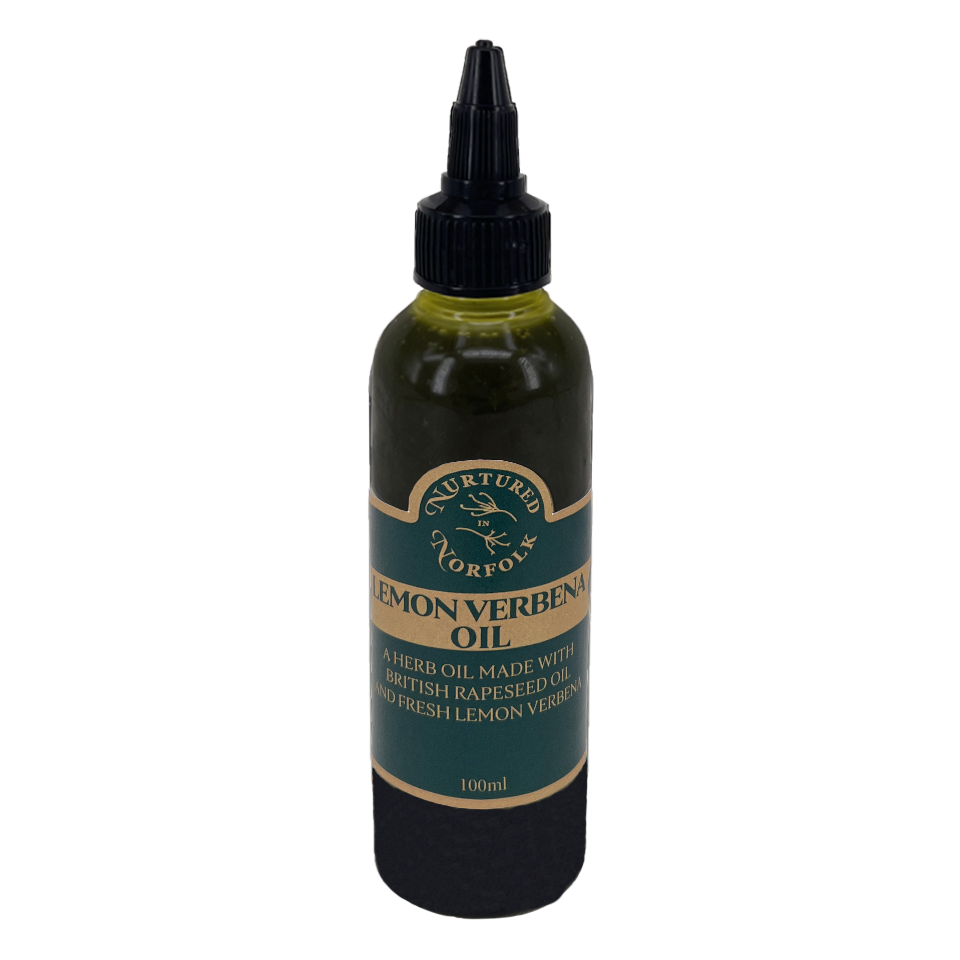
Herb oils are one of the easiest ways to add flavour, colour, and a professional finish to food — without complicated techniques or extra prep during service.
Whether you’re a chef, baker, or home cook, a good herb oil can become a reliable go-to in the kitchen. This guide breaks down what herb oils are, how they’re used, and why they’re worth having on hand.
What are Herb Oils?
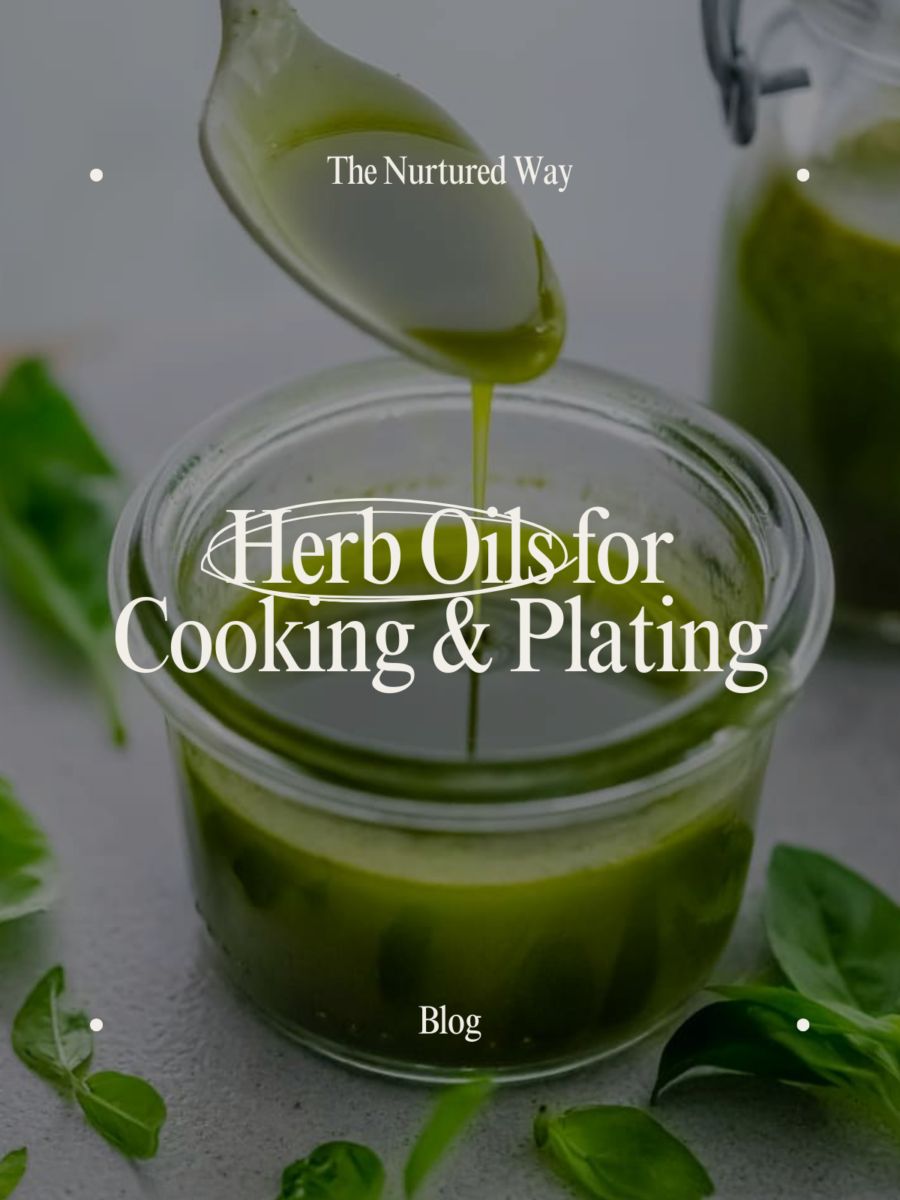
A herb oil is made by blending fresh herbs with oil to extract flavour and colour. The result is a smooth, vibrant oil that can be used as a finishing touch rather than a cooking oil.
Herb oils are typically used after cooking, not for frying or high heat, as this helps preserve their fresh taste and bright green colour.
Why Chefs Love Herb Oils
Herb oils are popular in professional kitchens because they are:
Quick to use – no chopping or last-minute prep
Consistent – the same flavour and colour every time
Versatile – suitable for savoury dishes, desserts, and drinks
Visually effective – instantly lifts how a dish looks
A small drizzle can add both flavour and structure to a plate without overpowering the dish.
Serving Suggestions
Different herb oils suit different dishes. This quick guide helps you pair each oil with food that brings out its best flavour — without overcomplicating things.
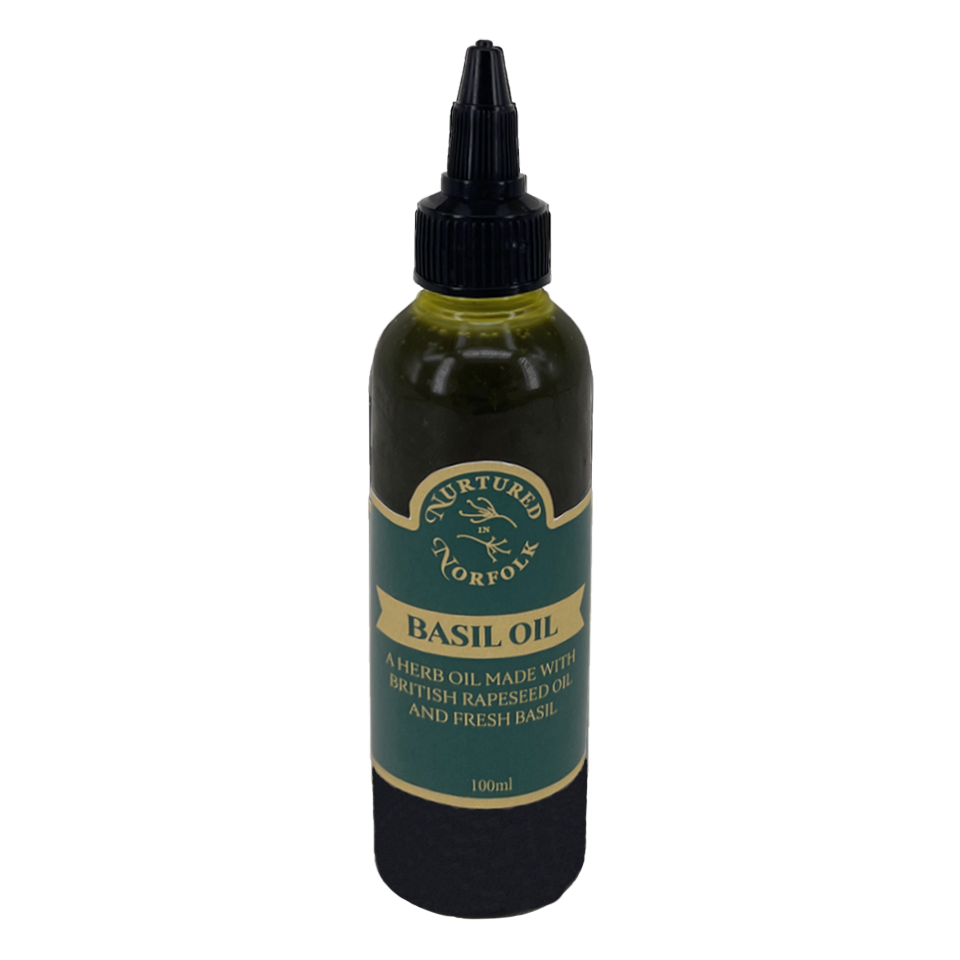
Basil Oil
Best with:
Pasta, tomatoes, burrata, mozzarella
Grilled vegetables
Flatbreads and focaccia
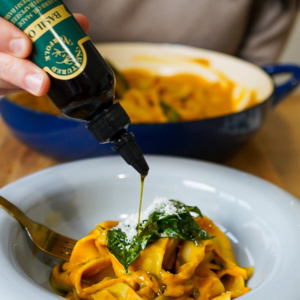
How to use: Drizzle lightly just before serving. Basil oil works best on warm (not hot) dishes to keep its fresh, sweet flavour.
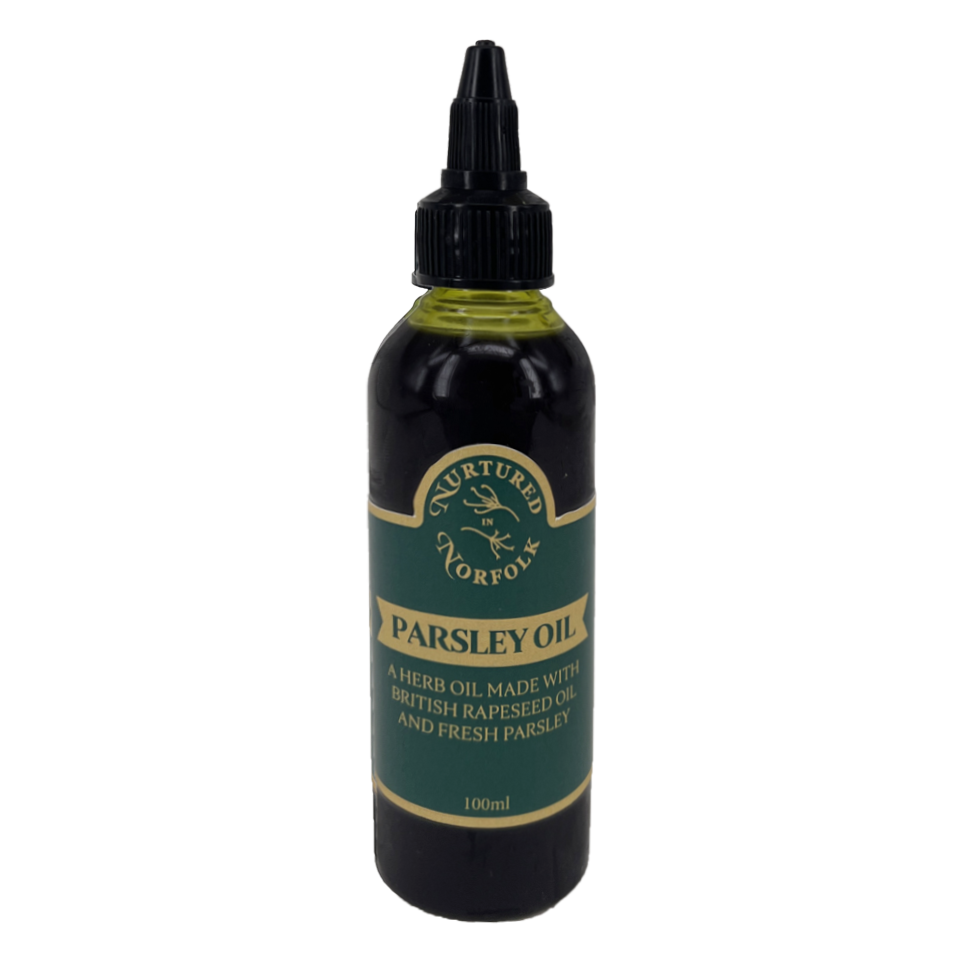
Parsley Oil
Best with:
Fish and seafood
Roasted or boiled potatoes
Soups and purées
How to use: Use as a finishing drizzle or a light swirl on the plate. Parsley oil is clean and subtle, so it won’t overpower the main dish.
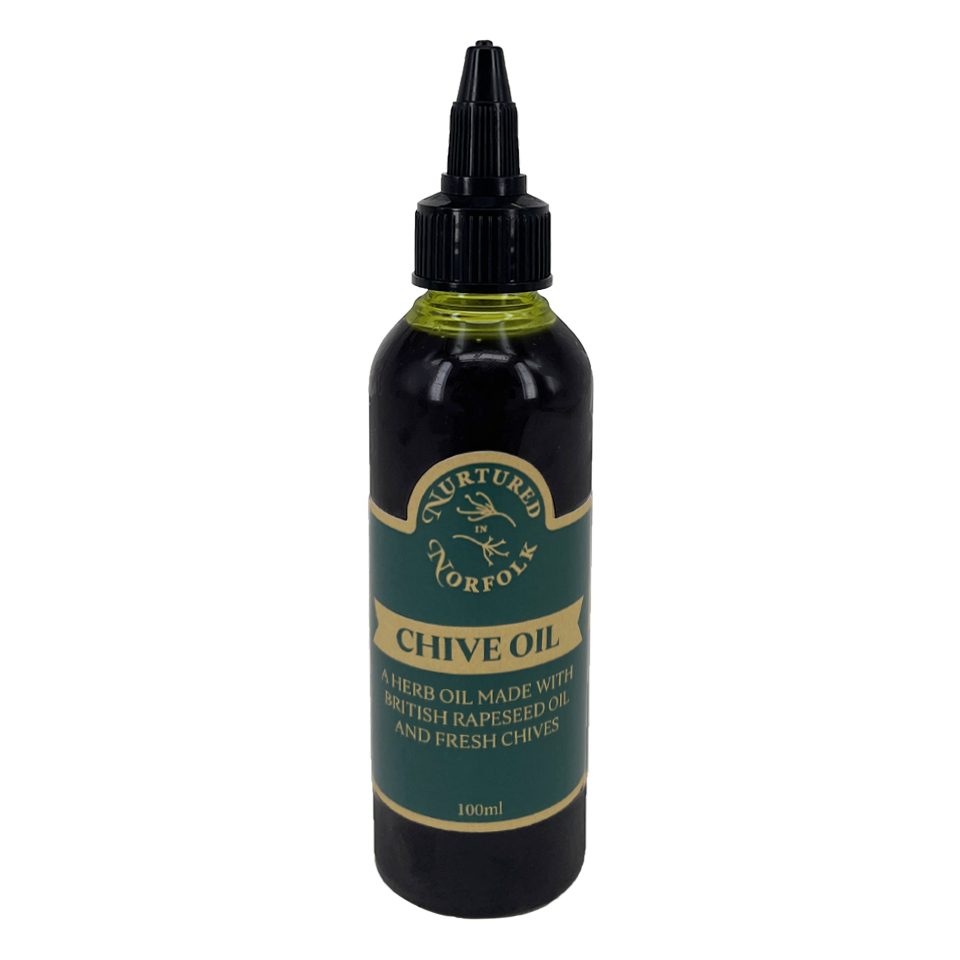
Chive Oil
Best with:
Eggs, omelettes, and brunch dishes
Creamy soups
Potato dishes
How to use: Add a few drops just before serving. Chive oil gives a gentle onion flavour and works especially well where you’d usually add fresh chives.
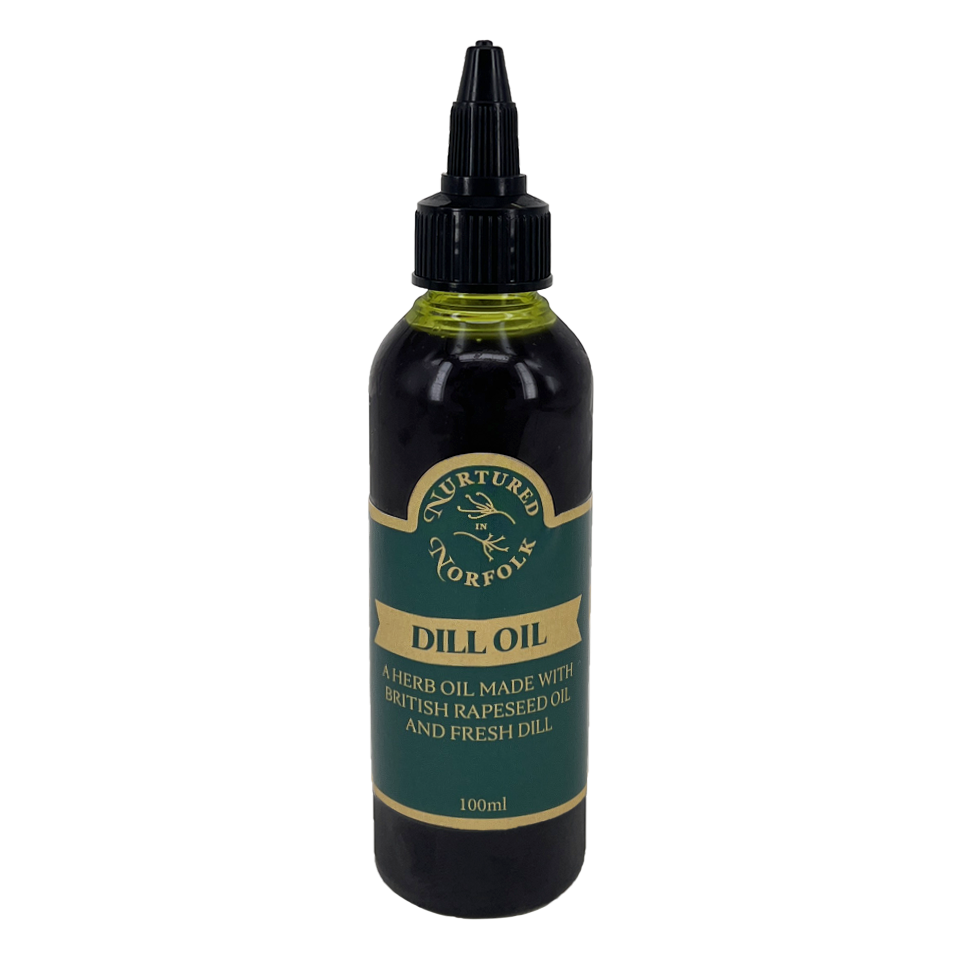
Dill Oil
Best with:
Salmon and other oily fish
Cucumber-based dishes
Yoghurt or crème fraîche sauces
How to use: Use sparingly. Dill oil is soft but distinctive, so a small amount goes a long way.
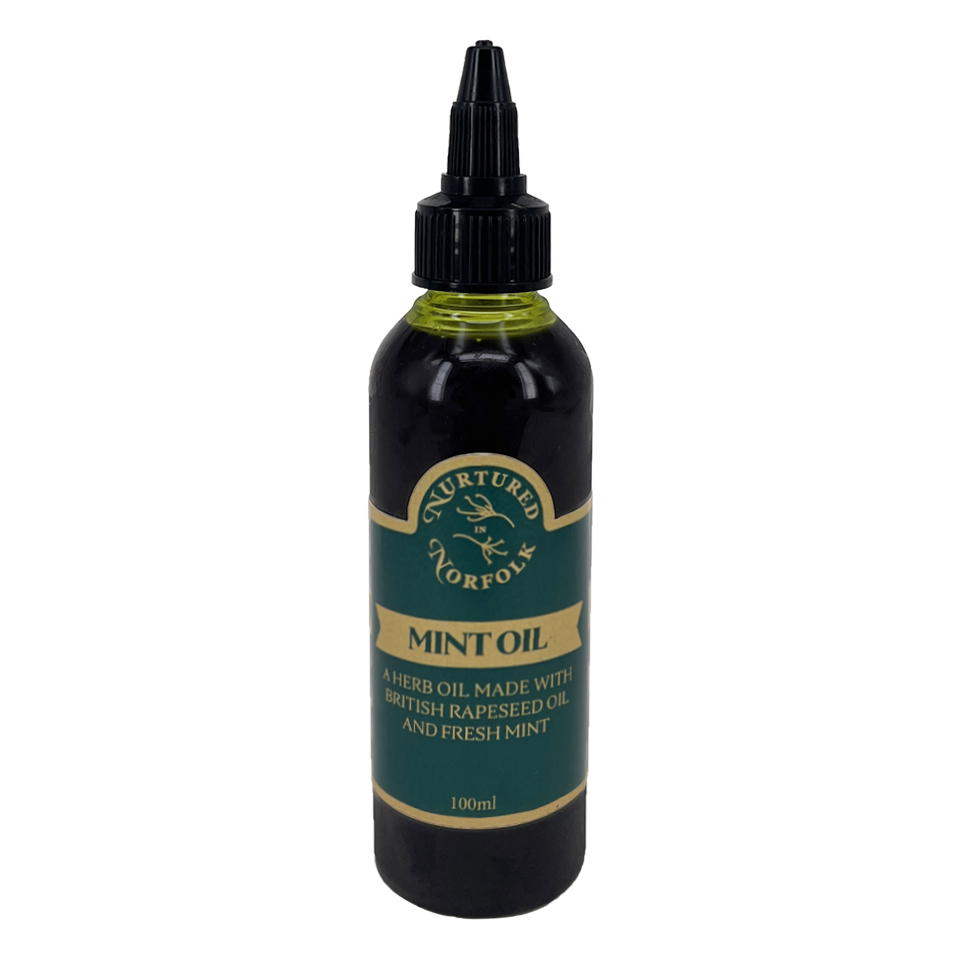
Mint Oil
Best with:
Chocolate desserts (brownies, mousse, ganache)
Fresh strawberries and berries
Fruit salads and sorbets
Cocktails and mocktails
How to use: Drizzle lightly or dot the plate rather than pouring. Mint oil adds freshness and contrast, especially to rich or sweet dishes.
Plating
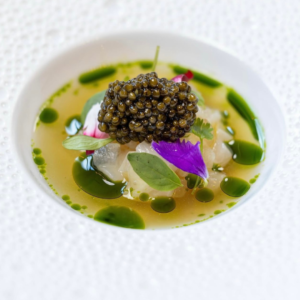
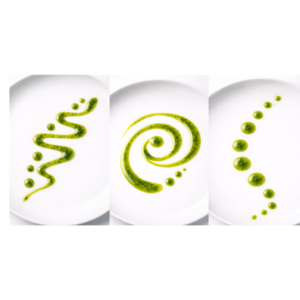
From a plating point of view, herb oils are easy to work with:
Use a spoon or squeeze bottle for control
Apply dots, lines, or gentle swirls
Avoid overuse – a little goes a long way
They’re especially helpful when a dish needs contrast or structure without adding extra components.
Storage
Herb oils should be treated as fresh products.
Store in the fridge
Keep in a sealed bottle
Use within a short timeframe for best colour and flavour
If the oil starts to lose its bright colour or fresh aroma, it’s best replaced.
Final Thoughts
Herb oils aren’t about being fancy – they’re about being practical.
They save time, add consistency, and make food look more considered with very little effort. Whether you’re plating for service, styling food for content, or just wanting better results at home, herb oils are a simple tool that earns its place in the fridge.
Shop Herb Oils
Chef-ready herb oils that add clarity, colour, and balance.
We use information collected through cookies and similar technologies to improve your experience on our site, analyse how you use it and for marketing purposes.
We and our partners use information collected through cookies and similar technologies to improve your experience on our site, analyse how you use it and for marketing purposes. Because we respect your right to privacy, you can choose not to allow some types of cookies. However, blocking some types of cookies may impact your experience of the site and the services we are able to offer. In some cases, data obtained from cookies is shared with third parties for analytics or marketing reasons. You can exercise your right to opt-out of that sharing at any time by disabling cookies.
Privacy Policy
Manage Consent Preferences
Necessary
Always ON
These cookies and scripts are necessary for the website to function and cannot be switched off. They are usually only set in response to actions made by you which amount to a request for services, suchas setting your privacy preferences, logging in or filling in forms. You can set your browser to block oralert you about these cookies, but some parts of the site will not then work. These cookies do notstore any personally identifiable information.
Analytics
These cookies and scripts allow us to count visits and traffic sources, so we can measure and improve the performance of our site. They help us know which pages are the most and least popular and see how visitors move around the site. All information these cookies collect is aggregated and therefore anonymous. If you do not allow these cookies and scripts, we will not know when you have visited our site.
Google Ads
These cookies and scripts may be set through our site by our advertising partners. They may be used by those companies to build a profile of your interests and show you relevant adverts on other sites. They do not store directly personal information, but are based on uniquely identifying your browser and internet device. If you do not allow these cookies and scripts, you will experience less targeted advertising.
Meta Marketing
These cookies and scripts may be set through our site by our advertising partners. They may be used by those companies to build a profile of your interests and show you relevant adverts on other sites. They do not store directly personal information, but are based on uniquely identifying your browser and internet device. If you do not allow these cookies and scripts, you will experience less targeted advertising.